
Winter TiresBuying Guide
Winter Tires in Canada: When to Put Them On and What the Rules Say
By COCOTIRES TeamUpdated October 15, 20264 min read
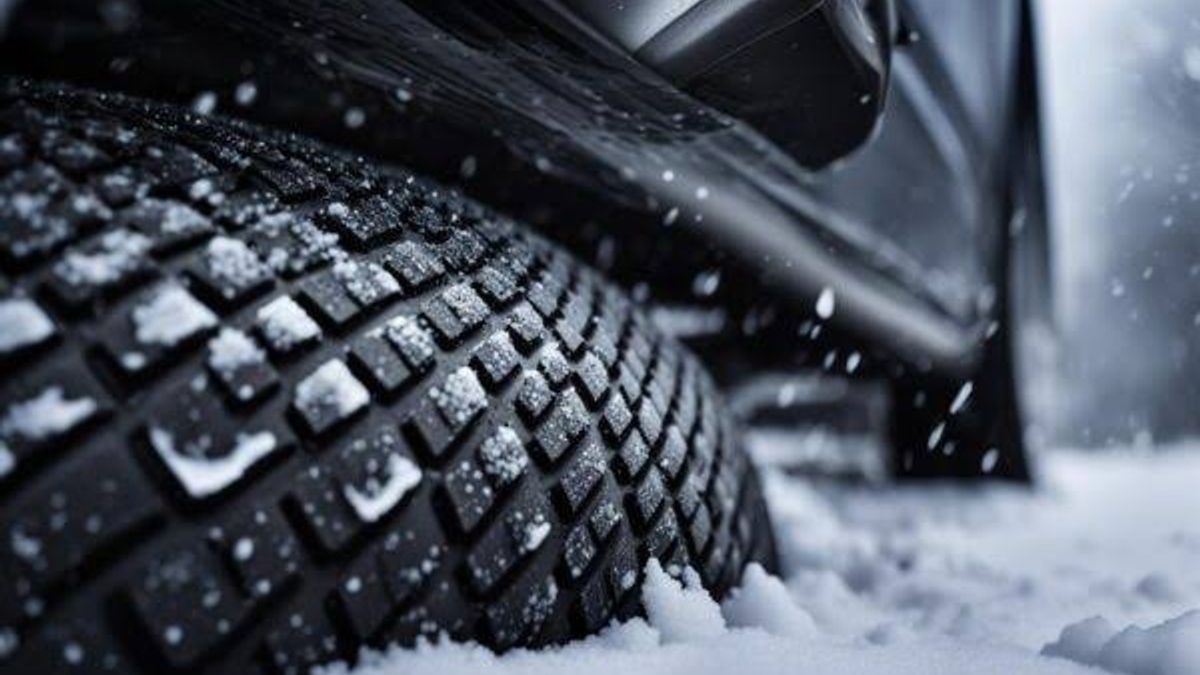
Canadian winters are hard on tires. Cold pavement, packed snow, slush and ice all ask more of a tire than a mild day does. This guide explains what winter tires do, when to put them on, where they are required by law, and what to check before you order.
What makes a winter tire different
A winter tire is built for the cold. Its rubber stays soft and flexible when the temperature drops, and its tread has deep grooves and many small cuts that bite into snow and ice. A tire with the three-peak mountain snowflake symbol on the sidewall has passed a snow traction test, so look for that symbol.
All-season and summer tires use a harder rubber. Below about 7°C it stiffens, and grip and braking get worse, even on dry or wet pavement. That is why the temperature matters as much as the snow.
When to put winter tires on
The usual advice is to switch when daily temperatures stay at about 7°C or lower, not when the first snow falls. In many parts of Canada that means October or early November. You switch back in spring when temperatures stay above 7°C.
Plan ahead. Order a few weeks early so the tires arrive, then book a time with a tire shop, because shops get busy at the first cold snap. Our tires ship within 1 business day and usually arrive in 3 to 7 business days. See our Shipping policy.
Are winter tires mandatory in Canada?
It depends on the province, and the rules can change, so check the official site for your province before you drive.
- Quebec: winter tires are required from December 1 to March 15 for vehicles registered in Quebec. Only tires with the snowflake symbol (or studded tires) qualify, and all four wheels need them.
- British Columbia: winter tires or chains are required on many signed highways, usually from October 1 to April 30. The tires must carry the snowflake symbol or the M+S mark, with at least 3.5 mm of tread. Summer tires do not meet the rule.
- Other provinces: there is no general law, but winter tires are strongly recommended. Some insurers offer a discount for them, so it is worth asking yours.
Winter, all-weather or all-season?
Each type suits a different driver.
| Winter | All-weather | All-season | |
|---|---|---|---|
| Snowflake symbol | Yes | Yes | No |
| Grip below 7°C | Built for it | Good | Gets worse |
| Best for | Deep snow, ice and severe cold | City driving and milder winters, one set all year | Spring, summer and fall |
| Meets the Quebec winter rule | Yes | Yes, with the snowflake symbol | No |
- Winter tires give the best grip in deep snow, ice and severe cold. They are the best choice if you drive on highways, in the mountains, or on roads that are not plowed quickly. Browse winter tires.
- All-weather tires also carry the snowflake symbol and work in warm and cool weather, so you can leave one set on all year. They suit city and suburb driving and milder winters. Browse all-weather tires.
- All-season tires do not carry the snowflake symbol and are made for spring, summer and fall. They are not a winter tire. Browse all-season tires.
Fit a full set of four
Always fit winter tires on all four wheels, not just the two on the drive axle. Two winter tires and two all-season tires grip differently at the front and the back, and that can make the car harder to control when you brake or turn. Keep the four tires matched in size and type.
Check tread depth and pressure
Winter tires wear out. As a guide, tires worn below about 4 mm of tread should not be used on snow-covered roads. Check the tread before each winter and replace tires that are worn down to the wear bars.
Cold air lowers tire pressure, so check it at least once a month and set it to the pressure shown on the sticker in the driver’s door frame.
How to order the right winter tires
- Find your tire size on the sidewall of your current tires or on the sticker in the driver’s door frame. It looks like 205/55R16. Our guide on how to read a tire size explains each number.
- Choose winter or all-weather tires in that size and compare the brands and prices. You can start from all tires or the winter tire page.
- Order, then book a tire shop to mount and balance them. We sell tires online only and do not install them, so tires ship on their own to your address. See our Return policy and Warranty policy before you order.
Not sure which size or type is right for your vehicle? Contact us and we will help.
Frequently asked questions
Do I need four winter tires?
Yes. Fit winter tires on all four wheels, not just the drive axle. Two winter tires and two all-season tires grip differently at the front and the back, which can make the car harder to control when you brake or turn.
At what temperature should I put on winter tires?
The usual advice is to switch when daily temperatures stay at about 7°C or lower, rather than waiting for the first snow. Below that, the rubber of summer and all-season tires stiffens and grip gets worse.
Are winter tires mandatory in Canada?
In Quebec they are required from December 1 to March 15 for vehicles registered there. British Columbia requires winter tires or chains on many signed highways, usually from October 1 to April 30. Other provinces have no general law, but winter tires are recommended. Check the official site for your province.
Can I use all-weather tires instead of winter tires?
Often yes. Quebec and British Columbia accept tires that carry the snowflake symbol, and all-weather tires carry it. Winter tires still give the best grip in deep snow, ice and severe cold, so they are the better choice for harsh conditions.